Unlock Hand-Lettered Style with Surprise Font
In the fast-paced world of digital design, there is a persistent hunger for authenticity. Audiences today are savvy; they can spot a generic template from a mile away. They crave connection, and often, that connection is forged through the imperfection and warmth of human touch. This is where Surprise enters the conversation. As a dry hand-brushed font, it bridges the gap between the efficiency of digital typography and the organic feel of ink on paper. It isn't just a typeface; it is a tool designed to help creators, entrepreneurs, and marketers inject personality into their projects without spending hours sketching by hand.
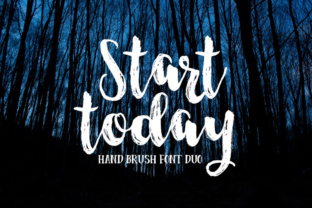
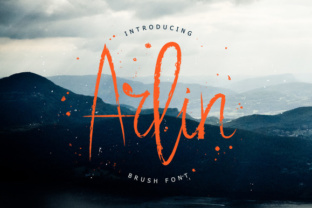
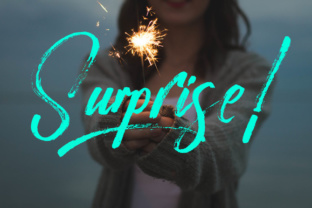
The core appeal of Surprise lies in its specific texture. Unlike standard script fonts that often look too smooth or vector-perfect, this typeface mimics the actual friction of a brush moving across a textured surface. The "dry" aspect of the brush stroke adds a layer of grit and realism that flat colors simply cannot achieve. When you implement this font, you aren't just adding text; you are adding a tactile sensation to a visual medium. This subtle detail makes a significant difference in how viewers perceive your brand or message. It suggests effort, craftsmanship, and a departure from the sterile corporate aesthetic that dominates so many industries.
The Mechanics of Organic Design
Understanding why Surprise works requires looking at its construction. It was engineered to combine perfectly, meaning the ligatures and kerning pairs have been meticulously adjusted to ensure that letters flow into one another naturally. In many handwritten fonts, the connection points between characters can look awkward or disjointed, breaking the illusion of continuous writing. Here, the transitions are seamless. This allows you to create stunning hand-lettering quickly and easily, even if you lack formal calligraphy training.
The versatility of the font stems from its balanced weight. It is bold enough to command attention as a header but refined enough to remain legible in shorter bursts of text. The dry brush effect provides high contrast against solid backgrounds, making it pop on screens and print alike. However, it retains enough subtlety that it doesn't overwhelm the surrounding design elements. For a graphic designer working on a tight deadline, this balance is invaluable. You get the custom look of commissioned lettering with the instant usability of a system font.
Real-World Applications for Brands and Creators
The utility of Surprise extends far beyond simple decoration. Its primary strength is its ability to adapt to various contexts while maintaining a consistent voice. Consider the following scenarios where this typeface shines:
- Logo Design: For startups and small businesses, a logo needs to be memorable. A dry brush logo suggests artisanal quality. Think of a coffee roaster, a boutique clothing line, or a craft brewery. Using Surprise here immediately signals that the product is handmade or curated with care.
- Product Packaging: In a retail environment, shelf presence is everything. Packaging that utilizes hand-lettered styles stands out against rows of sans-serif competitors. Whether it's a label on a jam jar or a box for artisanal soap, the texture of this font adds a premium feel.
- Social Media and Greeting Cards: Engagement on platforms like Instagram relies heavily on visual stopping power. Quotes overlaid on images perform better when the typography feels personal. Similarly, digital or printed greeting cards benefit from the emotional resonance of handwriting.
- Posters and Headers: Event promotion requires urgency and style. A concert poster or a webinar header using Surprise captures energy. It feels dynamic and immediate, urging the viewer to take notice.
- Merchandise: T-shirts, tote bags, and mugs are canvas for expression. Hand-brushed text on apparel feels less like a uniform and more like a statement piece, increasing the perceived value of the merchandise.
Enhancing Communication Through Texture
Beyond aesthetics, there is a psychological component to choosing the right typography. When you use a font like Surprise, you are subtly altering the tone of your communication. Standard geometric fonts convey stability and neutrality, which is great for banking or healthcare but often cold for lifestyle brands. Hand-brushed fonts convey humanity, creativity, and approachability.
For educators and publishers, this can be a game-changer. Worksheets, educational posters, or book covers that utilize this style feel less intimidating and more inviting to students. It breaks down the barrier between the institution and the learner. For bloggers and content creators, using this font in headers can make long-form content feel more like a conversation with a friend rather than a lecture from a machine. The "dry" texture specifically adds a sense of maturity and ruggedness, distinguishing it from the overly cute or whimsical script fonts that dominate the market.
Practical Considerations for Implementation
While Surprise is incredibly versatile, effective use requires a bit of strategic thinking. Because it is a display font with significant character, it should not be used for body copy. Long paragraphs of dry-brush text can cause eye fatigue and reduce readability. Instead, reserve it for headlines, pull quotes, and short calls to action.
Pairing is another critical factor. To let Surprise shine, pair it with a clean, neutral sans-serif or a classic serif for the supporting text. This contrast ensures that the decorative nature of the brush font doesn't clash with the informational content. For example, a wedding invitation might feature Surprise for the couple's names and date, while the details of the venue and time are set in a crisp, thin sans-serif.
Color selection also plays a pivotal role. The dry brush effect relies on the visibility of the texture. If you place dark text on a dark background, the nuances of the brush strokes will vanish. Ensure there is sufficient contrast. Furthermore, consider using the font in white or light colors over dark, textured backgrounds to maximize the "stamped" or "painted" look. This technique works exceptionally well for merchandise and poster design.
Efficiency Meets Artistry
One of the most compelling arguments for adopting Surprise is the efficiency it brings to the workflow. Traditionally, achieving this level of hand-lettered detail required hiring a specialist or spending hours digitizing hand-drawn sketches. With this font, that process is condensed into seconds. You can type, adjust, and finalize a design in minutes. For freelancers and agency owners, this translates directly to better margins and faster turnaround times for clients.
Moreover, the consistency offered by a font file is something hand-lettering cannot guarantee. If you are building a brand identity system, you need your logo and headers to look identical across every platform. Surprise provides that reliability. Whether it's printed on a business card or displayed on a 4K monitor, the integrity of the design remains intact.
Ultimately, the goal of any design tool is to empower the creator to express their vision clearly. Surprise does this by removing technical barriers while enhancing artistic potential. It allows you to focus on the message rather than the mechanics of drawing. By integrating this dry hand-brushed font into your toolkit, you gain the ability to produce work that feels authentic, engaging, and distinctly human. In an era where digital perfection is the norm, the imperfect beauty of a brush stroke is the ultimate differentiator.