Mastering the Authentic Look of Brushed: A Practical Guide to Using Rough Brush Fonts
There is a specific kind of energy that only a rough brush font can bring to a design. It feels human, immediate, and unpolished in the best possible way. Brushed captures this sentiment perfectly, offering an authentic look that cuts through the noise of overly clean, corporate typography. Whether you are a small business owner designing a logo, a marketer creating social media graphics, or a hobbyist making invitations for a family event, the appeal of this style is undeniable. However, the very characteristics that make these fonts attractive—their texture, irregularity, and bold strokes—can easily lead to design pitfalls if not handled with care.
Many creators rush to download and apply Brushed without considering the context, resulting in projects that look messy rather than stylish. The goal here is not to discourage you from using this powerful tool, but to help you wield it effectively. By understanding common misunderstandings and correcting them early, you can ensure your final output communicates professionalism and creativity simultaneously.
The Trap of Overusing Texture
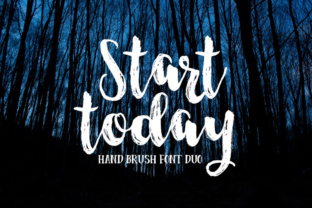
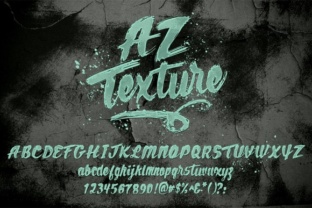
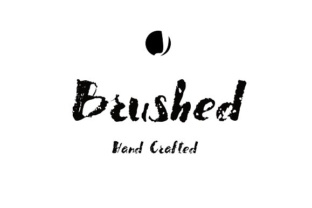
One of the most frequent mistakes designers make when working with rough brush fonts is assuming that "more texture equals more character." Because Brushed mimics the look of dry ink on rough paper, it naturally contains gaps, splatters, and uneven edges. When used at small sizes or in long paragraphs, these features do not add charm; they create visual noise that frustrates the reader.
If you attempt to use this font for body text on a website or in a printed brochure, legibility plummets. The eye struggles to connect the broken strokes into recognizable letters, causing fatigue. This directly impacts user experience and communication efficiency. A better approach is to reserve Brushed strictly for headlines, logos, or short call-to-action buttons where the text is large enough for the texture to be appreciated as a design element rather than a barrier to reading.
- Do: Use the font for titles, badges, and single-word emphasis.
- Don't: Use it for paragraphs, legal disclaimers, or navigation menus.
Misjudging Pairing Compatibility
Typography is rarely a solo act. The success of Brushed often depends entirely on what you pair it with. A common error is pairing this rough, organic typeface with another decorative or handwritten font. When two competing styles fight for attention, the design loses hierarchy and looks chaotic. This confusion can dilute your brand message and make your marketing materials appear amateurish.
To avoid this, seek balance through contrast. Since Brushed is loud and textured, it needs a quiet, stable partner. Clean sans-serif fonts or simple serifs work beautifully here. For instance, if you are designing a coffee shop menu, use Brushed for the section headers to give that artisanal feel, but switch to a crisp, geometric sans-serif for the item descriptions and prices. This combination guides the viewer's eye naturally and ensures that the authenticity of the brush style enhances, rather than overwhelms, the information.
Ignoring Context and Industry Fit
Not every project benefits from an authentic, rough aesthetic. While Brushed excels in industries like craft brewing, outdoor apparel, music festivals, and artisanal food, it can send the wrong signal in other sectors. Using a gritty brush font for a law firm, a medical device manufacturer, or a financial advisory service can inadvertently suggest a lack of precision or reliability.
Before downloading or purchasing the font, ask yourself if the "rough" vibe aligns with your core values. If your brand promise is built on trust, sterility, or high-tech precision, this font might undermine your credibility. However, if you are trying to convey approachability, creativity, or handcrafted quality, it is an excellent choice. Always evaluate the emotional resonance of the typeface against your specific audience expectations.
Technical Oversights in Digital vs. Print
What looks fantastic on a high-resolution monitor may fall apart in print, and vice versa. A significant oversight occurs when creators fail to test Brushed across different mediums. In digital formats, low-resolution screens can render the fine textures of the brush strokes as blurry artifacts, making the text look pixelated rather than artistic. Conversely, in print, if the ink spread is not accounted for, the delicate gaps in the letters might fill in, losing the defining "dry brush" effect.
To mitigate this, always preview your designs at 100% zoom on various devices before publishing. For print jobs, request a physical proof to check how the ink interacts with the paper stock. Sometimes, switching to a vector-based version of the font or adjusting the tracking (letter spacing) can preserve the integrity of the design across all platforms.
Checklist Before You Commit
Making an informed decision saves time and money. Before finalizing your design with Brushed, run through this quick evaluation:
- Legibility Test: Can someone read the text instantly from three feet away?
- Contrast Check: Does the background color provide enough contrast against the textured strokes?
- Pairing Review: Is the secondary font simple enough to let the brush style shine?
- Brand Alignment: Does the rough aesthetic match the tone of your message?
- Format Verification: Have you tested the font in both digital and print environments?
Finding Quality Sources
Finally, be wary of where you obtain your fonts. The internet is flooded with free versions of popular typefaces that are often poorly converted, missing characters, or infected with malware. A low-quality file of Brushed might lack essential glyphs like accented characters or punctuation marks, forcing you to substitute fonts later and breaking your design consistency. Furthermore, using a font without checking its license can lead to legal issues if you intend to use it for commercial purposes.
Invest time in finding reputable foundries or established marketplaces. Even if a paid license costs a small fee, it ensures you receive a complete, high-quality file with proper kerning pairs and full language support. This investment protects your professional reputation and ensures that the authentic look you are striving for remains intact in every application.
By approaching Brushed with intention and awareness, you transform it from a risky design gamble into a strategic asset. It is a tool that, when used correctly, bridges the gap between digital perfection and human touch, giving your projects a voice that feels real and grounded.