Bringing Character to Digital Design with AZ Texture and Brushed Script Typography
In the rapidly evolving landscape of digital design, there is a persistent hunger for authenticity. As screens become sharper and interfaces more polished, designers and creators often find themselves searching for elements that reintroduce the human touch. This is where the intersection of AZ Texture and brushed handwritten script fonts becomes particularly powerful. These two distinct design elements, when used thoughtfully, can transform a sterile layout into a narrative experience that resonates emotionally with viewers.
The modern web is no longer just about information delivery; it is about storytelling. Whether you are building a brand identity for a boutique coffee shop, designing an invitation for a wedding, or creating social media graphics for a lifestyle influencer, the texture of your visuals matters. AZ Texture offers a specific kind of visual depth that mimics the imperfections found in the physical world, while brushed script fonts provide the fluidity and personality of hand-lettering. Together, they create a synergy that bridges the gap between digital precision and organic warmth.
The Role of Texture in Modern Aesthetics
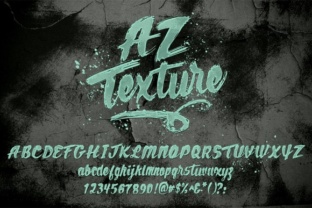
Texture in graphic design serves a function far beyond mere decoration. It adds dimension, creates hierarchy, and guides the eye. When we talk about AZ Texture, we are referring to a collection of visual overlays and patterns that simulate materials like paper grain, canvas, ink bleed, or worn surfaces. In an era dominated by flat design and vector perfection, introducing these subtle irregularities can make a project feel tangible.
Consider the psychological impact of texture. A smooth, gradient-free background often feels corporate and distant. However, layering a subtle noise or grain effect—characteristic of high-quality texture packs like AZ Texture—immediately signals craftsmanship. It suggests that care was taken in the creation process. This is crucial for brands that want to position themselves as artisanal, bespoke, or rooted in tradition. The texture acts as a silent ambassador for quality, telling the user that this isn't a template slapped together in five minutes, but a curated experience.
Furthermore, texture helps with readability and focus. By breaking up large blocks of solid color, textures prevent the eye from glazing over. They create a "visual vibration" that keeps the viewer engaged without being distracting. When utilizing AZ Texture in web design or print media, the goal is rarely to make the texture the star of the show. Instead, it should serve as the stage upon which your content performs. A well-chosen texture provides enough contrast to make white text pop, or enough warmth to make black ink feel less harsh.
Understanding Brushed Handwritten Scripts
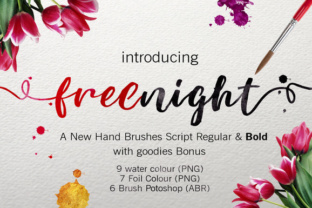
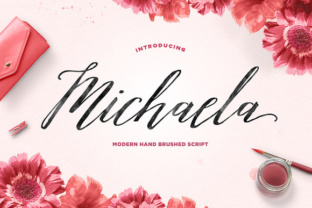
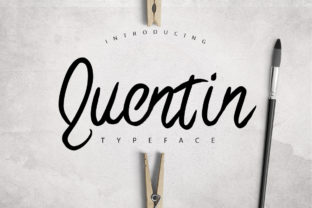
If texture provides the stage, brushed handwritten script fonts provide the voice. Unlike formal calligraphy, which adheres to strict rules of proportion and spacing, brushed scripts mimic the stroke of a paintbrush or a marker. They are dynamic, varying in thickness based on the pressure and speed of the imagined hand. This variability injects energy and movement into static designs.
The popularity of brushed scripts has surged because they strike a perfect balance between professionalism and approachability. They are less chaotic than messy handwriting fonts but more personal than standard serif or sans-serif typefaces. When paired with the right background, such as one enhanced by AZ Texture, these fonts can evoke feelings of nostalgia, creativity, or urgency, depending on the specific style chosen.
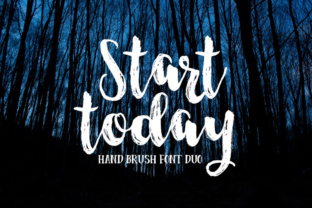
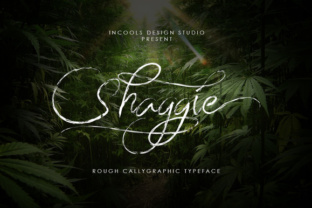
One of the primary characteristics of a good brushed script is its ligatures and alternates. High-quality font families offer multiple versions of the same letter, allowing designers to avoid repetitive patterns that look robotic. For instance, connecting the tail of a "g" to the head of an "r" naturally creates a flow that feels genuine. When selecting a font for a project involving AZ Texture, it is essential to choose a script that has enough weight to stand out against the textured background. A font that is too thin might get lost in the grain, while one that is too bold might overpower the subtle details of the texture.
Practical Applications in Branding and Marketing
The combination of organic texture and fluid typography is not limited to artistic projects; it has profound practical applications in commercial branding. Think about the packaging of craft beverages, the labels on organic skincare products, or the signage for independent bookstores. These industries rely heavily on conveying a sense of origin and human involvement.
In logo design, using a brushed script over a textured badge can create an emblem that feels established yet fresh. Imagine a bakery logo where the name is written in a sweeping, ink-heavy script, sitting atop a background that looks like rough kraft paper. This is where resources like AZ Texture become invaluable. They provide the raw materials needed to simulate that kraft paper look digitally, ensuring consistency across both print menus and Instagram posts.
Social media marketing also benefits immensely from this aesthetic. Feeds filled with polished, corporate imagery often suffer from "banner blindness," where users scroll past content that looks too much like an ad. Content that incorporates AZ Texture and handwritten elements stops the scroll because it feels native to the platform, resembling a personal note or a sketch rather than a broadcast message. This approach works exceptionally well for quotes, announcements, and product highlights.
- Packaging Design: Use textured backgrounds to simulate material costs and tactile experiences on digital mockups.
- Web Headers: Apply subtle noise textures to hero sections to reduce the sterility of full-width images.
- Print Collateral: Combine brushed scripts with grain overlays on business cards to create a memorable first impression.
- Motion Graphics: Animate texture overlays to flicker slightly, adding a filmic quality to video intros.
Navigating Technical Considerations
While the aesthetic benefits are clear, integrating AZ Texture and brushed scripts requires technical diligence. One common pitfall is over-texturing. When a background is too busy, it competes with the typography, making the content illegible. The key is contrast management. If your AZ Texture is dark and gritty, your brushed script should be light and clean, or vice versa. Sometimes, adding a slight drop shadow or a solid backing shape behind the text is necessary to ensure accessibility standards are met.
File formats also play a critical role. Textures often come in high-resolution JPEGs or PNGs. For web use, these files must be optimized to prevent slow loading times, which can hurt SEO and user experience. Compressing images without losing the integrity of the grain is an art in itself. Similarly, when using brushed scripts on the web, ensure you are using variable font files or web-font formats (WOFF2) that render smoothly across different devices. A brush font that renders poorly on mobile can look jagged and unprofessional, negating the organic vibe you aimed for.
Another consideration is scalability. A design that looks stunning on a large desktop monitor with intricate AZ Texture details might lose its charm on a small smartphone screen where the texture blends into a muddy gray. It is often wise to have responsive variations of your designs, perhaps simplifying the texture intensity for smaller viewports while keeping the brushed typography intact.
Curating the Right Combination
Choosing the right pairing is less about following rigid rules and more about developing an eye for harmony. Not every brushed font works with every texture. A wet-ink style script might clash with a dry, chalkboard-like texture, creating a confusing sensory message. Conversely, a dry-brush font paired with a watercolor paper texture from a set like AZ Texture can create a cohesive, painterly effect.
Designers should experiment with opacity levels. Rarely should a texture be applied at 100% opacity unless it is intended to be the sole focal point. Lowering the opacity allows the underlying color to breathe while still providing that essential tactile feel. Likewise, kerning and leading in brushed scripts require manual adjustment. Because these fonts mimic handwriting, automatic spacing algorithms often fail to capture the natural rhythm of the letters. Taking the time to manually adjust the spacing ensures that the words flow as if they were written in a single, continuous motion.
Ultimately, the goal is to create a design that feels intentional. The use of AZ Texture and brushed handwritten scripts should never feel like a shortcut to hide poor layout decisions. Instead, these tools should be employed to enhance a strong foundational design. When executed correctly, they invite the audience to lean in, to touch the screen, and to connect with the brand on a deeper, more human level. In a digital world that can often feel cold and algorithmic, bringing back the warmth of texture and the soul of handwriting is one of the most effective ways to stand out.