Evaluating Stained Glass Forest Paper for Fantasy and Nature-Themed Crafts
For crafters and digital designers working within the fantasy, woodland, or mystical niches, selecting the right background texture can define the entire aesthetic of a project. Stained Glass Forest Paper represents a specific intersection of two distinct visual styles: the organic, grounded feel of deep forest imagery and the luminous, structured artistry of stained glass mosaics. This hybrid approach offers a unique solution for those who find standard nature patterns too plain or traditional stained glass designs too rigid for organic storytelling.
When evaluating this specific style of digital paper, it is essential to look beyond the surface imagery and consider technical specifications, versatility across different mediums, and how it compares to alternative textural options. The following analysis breaks down the characteristics of these mosaic woodland backgrounds to help you determine if they align with your current creative requirements.
Defining the Aesthetic: Mosaic Meets Nature
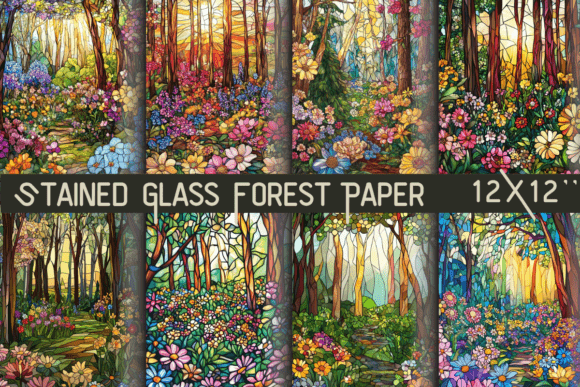
The core appeal of Stained Glass Forest Paper lies in its ability to translate complex natural scenes into stylized, geometric forms. Unlike photorealistic forest backgrounds that rely on soft focus and depth of field, these designs utilize bold outlines and segmented color fields to mimic the leaded glass found in cathedral windows. Typical motifs include towering trees with emerald and forest green canopies, sunlight filtering through branches in amber gold hues, and earthy brown trunks rendered as intricate mosaic patterns.
This stylistic choice creates an "enchanted" atmosphere that feels both ancient and magical. The color palette is usually rich and saturated, leaning heavily into deep blues, vibrant greens, and warm golds to simulate light passing through colored glass. For projects requiring a sense of wonder or mythology, this aesthetic provides an immediate visual cue that distinguishes the work from standard nature-themed crafts.
Technical Specifications and Print Viability
In the realm of digital scrapbooking and printable ephemera, resolution is a primary decision factor. High-quality collections in this category typically offer files at 300 DPI with dimensions of 3600 × 3600 pixels (12 x 12 inches). This specification is critical for users who intend to print their designs physically. A 300 DPI resolution ensures that the sharp lines characteristic of stained glass art do not appear pixelated or blurry when printed on cardstock or specialty paper.
These files are generally delivered in JPG format with opaque, non-transparent backgrounds. While PNG files with transparency are often preferred for layering in digital composition software, JPGs are universally compatible and often result in smaller file sizes for storage, though individual pages in high-resolution collections can still range from 8 to 18 MB due to the complexity of the mosaic details. The opaque nature of these backgrounds makes them ideal for full-page applications but requires careful cutting or masking if you intend to isolate specific elements like a single tree or window pane.
Comparative Analysis: Stained Glass vs. Alternative Styles
To make an informed decision, it is helpful to compare Stained Glass Forest Paper against other common background categories available to crafters. Each style serves different functional and artistic purposes.
- Photorealistic Forest Textures: These images offer true-to-life details, such as bark texture and leaf veins. They are superior for projects aiming for realism or documentary-style scrapbooking. However, they can sometimes lack the whimsical quality needed for fantasy journals. Stained glass variants sacrifice realism for stylization, making them better suited for thematic storytelling where mood outweighs accuracy.
- Watercolor Woodland Patterns: Watercolor backgrounds provide a soft, dreamy aesthetic with blended edges. They are excellent for baby showers or gentle nature themes. In contrast, the hard lines and distinct color segments of stained glass paper create a bolder, more graphic look. If your design requires high contrast or a "vitreous" feel, watercolor may appear too washed out.
- Flat Vector Illustrations: Vector graphics offer infinite scalability and clean lines similar to stained glass but often lack the textural depth. Digital paper packs with 300 DPI raster images provide a subtle grain or texture that mimics physical media, adding warmth that flat vectors sometimes miss.
Assessing Fit for Specific Projects
The utility of Stained Glass Forest Paper varies significantly depending on the end product. Understanding where these designs excel can prevent mismatched expectations.
Junk Journals and Scrapbooks: This is perhaps the strongest use case. The 12x12 inch format fits standard scrapbook layouts perfectly. The intricate details of the mosaic trees serve as excellent focal points for photo mats or journaling cards. The "enchanted" vibe complements themes related to folklore, hiking memories, or fantasy literature reviews.
Planner Inserts and Stationery: The high resolution allows these designs to be scaled down for planner pages without losing detail. The opaque background ensures that text written over the paper remains legible, provided the color contrast is managed well. Users should note that busy mosaic patterns might compete with handwritten notes; therefore, these papers often work best as dividers, cover pages, or pockets rather than daily writing sheets.
Digital Collage and Ephemera: For digital artists, the JPG format presents a minor limitation regarding layering. Since the backgrounds are not transparent, isolating a specific "stained glass window" element requires manual selection and erasing in software like Photoshop or Procreate. If your workflow relies heavily on rapid drag-and-drop layering of isolated elements, a PNG-based clipart set might be more efficient. However, for full-background compositions, the JPG format is entirely sufficient and often more stable across different devices.
Decision Factors and Limitations
While the visual impact of Stained Glass Forest Paper is significant, there are practical trade-offs to consider before purchasing or downloading a pack.
Color Palette Constraints: These designs typically adhere to a specific spectrum—forest greens, emeralds, amber golds, and deep blues. If your project requires pastel tones, monochromatic schemes, or autumnal oranges and reds outside of the standard amber range, these papers may require significant color correction in post-production. The inherent "stained glass" look relies on saturation; desaturating these images too much can make them look muddy rather than vintage.
File Management: With file sizes ranging between 8 and 18 MB per page, a full collection of 12 designs can consume considerable storage space and may slow down older computers if all files are opened simultaneously in editing software. It is advisable to work on one layout at a time or create low-resolution proxies for initial drafting.
Print Medium Compatibility: To truly capture the "luminous" quality implied by the stained glass style, the choice of physical paper matters. Printing these designs on glossy or semi-gloss photo paper can enhance the vibrancy and mimic the shine of actual glass. Matte cardstock, while great for writing, may absorb some of the ink density, slightly dulling the bright amber and emerald highlights.
When to Choose This Style
You should consider integrating Stained Glass Forest Paper into your workflow if:
- Your project theme centers on magic, mythology, spirituality, or enchanted nature.
- You need high-resolution backgrounds for professional-quality printing (300 DPI).
- You prefer bold, graphic lines over soft, blended textures.
- You are creating decorative elements where text legibility is secondary to visual impact.
Conversely, if your goal is hyper-realism, minimalism, or if you require transparent elements for complex digital layering without extra editing, you may find better alternatives in photorealistic texture libraries or vector clipart collections.
Final Thoughts on Selection
Selecting the right digital paper is about balancing aesthetic vision with technical practicality. Stained Glass Forest Paper offers a compelling niche for creators looking to infuse their work with a sense of mystical elegance. Its strength lies in the unique fusion of natural subject matter with architectural artistry, providing a backdrop that feels both grounded and ethereal. By understanding the implications of its opaque JPG format, rich color palette, and high-resolution requirements, you can effectively decide whether this mosaic woodland style is the perfect foundation for your next creative endeavor or if a different textural approach would better serve your specific goals.